Browse more articles
How to Pick the Best Big and Tall Sofas
Ever tried kicking back on a normal couch, only to feel totally cramped? It happens way more often than you'd think. A standard sofa just doesn't work for a lot of us. You end up slouching, bumping your knees, and dealing with a sore back because the support just isn't there. Enter big and tall sofas. These aren't your average living room pieces. They are built specifically to give you real room to breathe, heavy-duty durability, and actual comfort. Let's break down how to find the perfect upgrade for your space. What Are Big and Tall Sofas? So, what makes a couch "big and tall"? It's all about the build. Instead of the usual flimsy frames and shallow seats, these couches go big. Think wider cushions, way deeper seats, taller backs, and frames that can actually take a beating. If you're on the taller side, need a sturdy sofa for heavy person, or just have a family that loves to sprawl out, this is exactly what you need. Key Features to Look For Don't just buy the first big couch you see. Keep an eye out for these specifics: Seat Depth and Width Regular couches usually leave tall folks with their knees up by their chest. You want a seat depth somewhere between 24 and 27 inches. That gives your legs the room they need, whether you're grabbing an oversized loveseat or a massive sectional. Height and Back Support Nobody likes struggling to get off a low couch. A higher seat makes a huge difference. Plus, picking a high back loveseat or sofa means your neck and spine finally get some rest. Honestly, these are easily the best couches for tall people. Weight Limits and Frame Strength Don't skip this part. You want solid kiln-dried hardwood and strong metal joints. If you need a couch for heavy people, checking the weight capacity and frame strength is step one. Cushion Quality Go for high-density foam. Cheap foam flattens out fast, but the dense stuff holds its shape and keeps you supported over time. It's basically a requirement if you're looking for the Best Sofas for Fat People or just want a couch that won't sag in a year. Upholstery Leather is tough and easy to wipe down, while performance fabrics give you that soft, breathable feel. Spending a little extra on good fabric means you're getting truly durable loveseats. Types of Big and Tall Sofas Recliners: Pure comfort. A lot of folks hunt down reclining sofas for heavy people just for that full-body support. Loveseats: Working with a tight room? An oversized reclining loveseat gives you maximum comfort without eating up your whole floor plan. Sectionals: The go-to for big families or giant living rooms. Tech-Heavy Couches: Things like power headrests, built-in USBs, and motorized back support are total game-changers. How to Choose the Right Size for Your Space Before you pull the trigger on an oversized sofa and loveseat set, grab a tape measure. Check your room. If the couch reclines, make sure it won't hit the wall. You also don't want to block your walkways. Quick Tip: Try to keep about 18 to 24 inches of clear walking space around your furniture so the room doesn't feel stuffed. Comfort vs. Durability You've got to find the middle ground here. Super soft cushions might feel amazing on day one, but firmer, high-density foam is what actually provides lasting support for couches for big and tall users. This is a big purchase, so you want something that stands up to daily movie nights and naps. Mistakes You Want to Avoid Buying purely for looks instead of comfort. Completely ignoring the manufacturer's weight limits. Forgetting to measure doorways and hallways before delivery day (this one hurts). Grabbing couches for tall people without double-checking the seat depth. Benefits of Investing in Big and Tall Sofas? Getting furniture that actually fits you makes a massive difference. Your posture improves, the couch won't sag after six months, and you finally have enough room to get comfortable. At the end of the day, tracking down the best sofa for tall person makes your living room look and feel way better. Your Quick Buying Checklist Keep this handy when you go shopping: Seat depth: 24 inches or more. Frame: Solid, kiln-dried wood. Cushions: High-density foam (no cheap stuffing!). Capacity: A weight limit that matches your needs. Measurements: Double-checked against your room and doorways. Wrapping Up Normal couches just don't cut it for everybody. By hunting down deeper seats, tougher frames, and dense cushions, you can finally ditch the back pain and cramped legs. Check out our full lineup of oversized sofas to snag the perfect fit for your living room today!
The Complete Guide to Buying Home Theater Seating Online
Most people start building their media room by obsessing over the projector and speakers, but the seat layout is what actually makes or breaks the room. Think about it: the exact same 100-inch screen feels cramped and overwhelming in a 10-foot room, yet completely distant in a 20-foot room. Your seating plan decides which experience you get. When you buy home theater seating online, you bypass limited showroom floors and unlock custom setups that fit your specific space. But sorting through those options can be tough. In this detailed home theater seating guide, we will share exactly how we help our customers design their rooms. We'll cover everything from choosing the right home theater seating layout and calculating viewing distances to prioritizing the features that survive spilled popcorn and kids' feet. Measure Your Home Theater Space First Before adding any home theater chairs to your cart, you have to know exactly what your room can handle. The biggest mistake we see isn't picking the wrong chair; it's buying furniture that swallows the room. To measure your space, start with the "3-Step Room Snapshot." Grab a measuring tape and write down these three numbers before doing anything else: Usable Width: Measure wall-to-wall, but subtract any baseboards, columns, or HVAC bump-outs. Maximum Viewing Distance: Measure from your screen wall to the furthest point back you'd want to sit. Ceiling Height: Very important if you plan to build risers for a second row of seats. Tip: Always check the door swing into the room (which often kills one side of a seating row) and leave at least 1-2 feet of space from the back of your last row to the back wall to prevent heavy bass build-up and leave room to walk. How Many Seats Can Fit in Your Room? Figuring out how many seats fit in a home theater doesn't require too much thinking. The Rule of Thumb: For most standard recliners, multiply your desired seat count by 34 to 36 inches (the average width per seat when sharing armrests), then add at least one 20 to 24 inch aisle for walking space. Home theater rooms fall into these layout patterns: The Narrow Cinema Row: Perfect for rooms under 13 feet wide. This features one central row of 3 to 4 seats shifted slightly to one side, leaving a single 24-inch aisle on the opposite wall. The Stadium Twin Rows: Best when a room is at least 16 to 17 feet long. This layout uses two rows of 3 to 4 seats with an 8-inch riser for the back row, giving everyone a clear view. Understanding Viewing Distance & Angles When planning your home theater seating arrangement, the distance to the screen controls your physical comfort. Sit too close, and you'll get neck fatigue; sit too far, and you lose the movie theater feel. Cinema purists often use strict field-of-view THX formulas. However, in the real world, most of our customers are happiest when their main row is placed at a distance roughly 1.6 to 2.0 times the screen's diagonal measurement. We also suggest tying your viewing distance back to what you watch most: If you watch a lot of fast-paced sports or game on your projector, sit slightly closer to feel right in the action. If most of your content is casual streaming, reality TV, or news, sit slightly farther back so your eyes don't have to dart across a massive screen. Types of Home Theater Seating There are many types of home theater seating, and the right choice depends entirely on how you use your room day-to-day. Here are our top home theater seating ideas and who they work best for. Recliners Home theater recliners are best for dedicated theater rooms where everyone wants to face the screen directly and control their own comfort. For 13 to 15 foot rooms, we often recommend four single recliners arranged in a gentle curve. This creates two center "VIP seats" with slightly wider armrests, angling the outer seats perfectly toward the screen. Explore our collection of Home Theater Recliners. Sectionals Sectionals are best for everyday family rooms where half the time you're watching a movie, and the other half you're napping, talking, or scrolling on your phone. They feel great for everyday living, but they do make it harder to give everyone a perfectly centered view of a huge screen. Browse our premium Multimedia Sectionals. Chaise Lounge Seating We often see chaises used as the informal front "kids' row." They are fantastic for family movie nights where someone always ends up sprawled on the floor with a blanket anyway. Row Seating / Theater Rows These are best when you want a true "movie theater" room and don't mind that the space is built entirely around seating and a screen. A dual-arm recliner setup with a center drop-down console gives you a commercial cinema feel with the hidden convenience of a living room table. Explore the Seatcraft Home Theater Seats Series. Choosing the Right Material Almost every home theater seating buying guide includes a basic leather vs. fabric home theater seats comparison. But at 4Seating, we look at your actual household habits to make a recommendation. Leather (Top Grain & Vegan Options) If you have pets that shed, kids with sticky hands, and a dark, dedicated media room, leather is much easier to keep clean. It survives spilled drinks and everyday wear and tear with no problem. Maintenance tip: We recommend a quick monthly wipe down with a damp cloth and conditioning it twice a year to keep the leather from drying out. Fabric & Microfiber If you have a bright, multi-purpose room with big windows, certain fabrics will hide dust and fingerprints much better than black leather. Fabric also doesn't trap heat, meaning it won't feel cold in the winter or sticky in the summer. Maintenance tip: Keep microfiber cloths and a small, upholstery-safe spot cleaner nearby in a storage armrest so you can tackle accidental spills right away. Must-Have Features in Home Theater Seating Finding the best home theater seats means looking beyond the cushions. Today's home theater seating features can be overwhelming, so we group them into three priority buckets: Comfort (Non-Negotiables): Power recline and power headrests. Convenience: Hidden armrest storage, USB/USB-C charging ports, and accessory docks for tray tables or wine glass holders. Wow-Factor: LED base lighting, lighted cup holders, and tactile bass shakers. Tips for Buying Home Theater Seating Online Learning how to choose home theater seating online is very handy, but only if you avoid common shipping headaches. Here are the three shipping mistakes we see most often when people buy from big-box retailers, and how to avoid them: The boxes don't fit through the doorway: Before buying, measure your home's entryways, staircases, and tight hallways. The fully reclined depth blocks a doorway: People often measure the upright chair, but forget that a fully reclined seat can lean back several inches and kick forward a foot or more. Look for "wall-hugger" designs to avoid this. Underestimating LED brightness: In a pitch-black room, generic LEDs can be annoyingly bright. Look for models where the LED lighting can be dimmed or turned off completely. Always look for signs you can trust a company when shopping online: customer reviews, clear warranty terms, easy-to-find return policies, and white-glove delivery or installation options. Why Buy Home Theater Seating from 4Seating? If you want premium recliner seating for home theater spaces, 4Seating brings decades of focused experience directly to your living room. Versatile Inventory: We carry a wide selection of premium seating, catering to every style, room size, and budget. Custom Configurations: Whether you need a single recliner, a loveseat, or a curved row of six, we build your seating exactly how you want it. Competitive Pricing: Because we sell direct, you get showroom-quality luxury without the exorbitant retail markup. Trusted Brand: With years of experience, our dedicated home theater specialists are available to help you design your room and calculate your layouts. Fast & Reliable Shipping: We offer nationwide shipping with available White Glove delivery to make your installation completely stress-free. Ready to start? Shop Home Theater Seating at 4Seating Now!
Why Luxury Home Theater Seating Is Worth the Investment
Building a dedicated entertainment room is a popular choice for modern homes. While many focus on 4K projectors and high-end surround sound, they often overlook the most important part: comfort. The family couch is fine for a quick TV show, but for a long movie, it often leaves you fighting for elbow room or lacking proper neck support. This is where luxury home theater seating comes in. Buying a premium setup turns a basic movie night into a real theater experience. True home theater luxury seating goes beyond standard living room couches. It combines comfort, great looks, and helpful technology. Here is why buying a luxury home theater seat is a smart choice for your home. What Defines Luxury Home Theater Seating? Media furniture varies a lot in quality. So, what separates an ordinary recliner from luxury home theater seats? The answer is better materials and smarter design. First, premium home theater seating uses high-quality materials like rich, top-grain leather and thick foam. These keep their shape and prevent that sinking feeling, even if you are tall. Plus, high-end models are built solidly to hold up to kids, pets, and daily use. They also come with advanced features like smooth power recliners, motorized lower back support, and armrests with deep storage. A few models feature center arms that flip up, letting you stretch out completely. All these little details add up, turning your room into the ultimate spot for cinema seating for home. Why You Need Luxury Theater Seating for Home Wondering if luxury theater seating for home is actually worth the money? A good chair does a lot more than just look nice in your room: Unbeatable Comfort If you are going to binge-watch a series, you need to be comfortable. Luxury seating is designed to support the natural curve of your body. Instead of sinking into an old couch and hurting your back, thick foam keeps your posture supported so you can watch back-to-back movies without feeling stiff. Premium Viewing Experience Getting a clear view of the screen is important. Premium recliner theater seats offer smooth, adjustable power recliners. With adjustable neck and lower back support, you stay lined up with the screen, making it easy to lean back and get a perfect view from the front row. Smart Features & Technology Modern home theater recliners with features come packed with useful extras. You get built-in USB ports to charge your phone and removable cup holders that are easy to clean. They also have adjustable LED base lights to help you see in the dark without distracting from the movie. Some people even add bass shakers to the seat frames so you can physically feel the sound! Great Looks Sleek leather home theater chairs also make your room look better. They give the space a real movie theater feel, turning a plain room into a high-end private theater. Why It Is a Worthwhile Investment When setting up your room, it is tempting to save money on cheap furniture. But choosing the best luxury home theater seating offers better value over time. Cheap seating wears out fast. Fake leather peels, basic cushions flatten, and manual parts break. Premium models, on the other hand, are built to last. A high-quality set can handle years of daily use and still look new. The real value comes from everyday comfort and having your own space. You don't have to fight for the best spot on the couch because every chair is a great seat. In the end, installing good media furniture improves your home and makes watching movies much more enjoyable. Choosing the Best Luxury Home Theater Seating Selecting the right seating requires a bit of planning. Keep these buying tips in mind: Room Size & Layout: Measure your space to find the best setup. Focus on your front row to get the best viewing angle. Material Preference: Choose between easy-to-clean top-grain leather or durable, cozy fabric. Features Needed: Make a list of must-haves, like heat and massage, powered headrests, or flip-up arms. Brand Reliability: Pick brands known for lasting a long time. If you want something reliable, the Seatcraft Signature Series is a solid choice. Built with high-end parts, Seatcraft Home Theater Seats give you the right blend of cozy support and cool tech to fit whatever room layout you have. Explore Luxury Home Theater Seating Options Ready to make your movie nights better? You don't have to stick with an ordinary couch when you can have real comfort and your own space at home. Whether you just need one recliner, a loveseat, or enough rows to fit the whole neighborhood, 4Seating has you covered. Take a look around our store to see all our Luxury Home Theater Seating. Check out our options today to find exactly what fits your space. Wrapping Up Getting a luxury home theater set really just comes down to prioritizing your own downtime. When you go with sturdy materials, designs that actually support your back, and smart tech features, you guarantee a top-tier movie night right in your living room. Upgrade your media room today and enjoy the comfort you deserve.
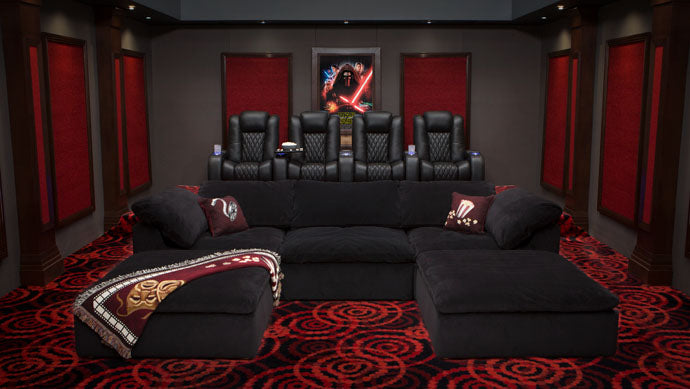
What Is a Sectional Sofa? Types, Sizes & Buying Guide
Are you looking to upgrade your living room but aren't sure where to start? One of the most common questions buyers ask is,what is a sectional sofa, and is it the right fit for my home? Unlike standard couches, sectionals offer superior comfort, flexible setups, and great space-saving benefits. Whether you want a cozy spot for family movie nights or a place to stretch out, a sectional provides a dedicated lounging area where everyone gets the best seat in the house. As an added bonus, they are also an easy, stress-free seating option to bring into your home. If you have ever tried wrestling a massive traditional sofa up a narrow staircase or through a tight doorway, you know the struggle. Because sectionals are delivered in modular pieces, you can completely bypass those delivery nightmares. What Is a Sectional Sofa? To understand the exact definition of sectional seating, you have to look at how it is built. So,what is a sectional couch? It is a large seating unit made of multiple independent pieces. Instead of a single heavy frame, these sections easily lock together. This means you avoid the dreaded gap between seats where pieces drift apart and swallow your TV remote. But what makes a couch a sectional exactly? It is this smart design that uses separate parts. You can combine loveseats, corner pieces, and chairs into one unified couch. It maximizes seating while easily adapting to tricky floor plans that a standard sofa simply cannot handle. Types of Sectional Sofas Let's look at the most popular types of sectional couches available today. L-Shaped Sectionals Forming an L shape, these fit perfectly into corners. Classic leather L shaped couches are highly durable and wipe clean easily, making them a favorite for pet owners. U-Shaped Sectionals Ideal for large families, this style provides a massive, cozy seating area. It features a center sofa with two extending arms. Chaise Sectionals This is a standard sofa with an extended footrest on one side. A corner chaise lets you kick back without taking up all your available floor space. Reclining Sectionals Focused entirely on total relaxation. Choosing an L-shaped couch with recliner seats gives you a VIP home theater experience. Modular Sectionals The most versatile of all sectional couch types. Shoppers often compare these to adult building blocks because you can endlessly rearrange the individual pieces. Left vs Right Facing Sectional Choosing the wrong layout is a common mistake, sometimes leaving people awkwardly blocking their room's entryway. Understanding a left vs right facing sectional prevents this costly error. The rule is very simple: stand directly in front of the couch and face it. If the extended arm is on your right side, it is a right-facing sectional. If it is on your left, it is left-facing. Comparing a right facing vs left facing sectional comes down to your room's natural walking paths. You always want the open side of the couch facing the room, rather than blocking where people walk. Sectional Sofa Sizes & Layouts Before shopping, you must consider sectional sofa sizes so that you don't accidentally buy a couch that takes over your entire room. They range from compact models to massive, deep-seated arrangements. A smaller layout works great as a corner lounge couch in apartments or tighter spaces. Tucking it tightly into the corner of the couch area adds an extra seat without crowding the room. Medium and large sizes can act as beautiful room dividers in open-concept homes. Always use tape to mark the exact dimensions on your floor before buying to ensure a good fit. Sectionals vs Other Couch Types When looking at different couch types, you might wonder how sectionals stack up against standard seating. If asked to name types of couches, standard three-seaters and two-seater loveseats are the most common. However, they naturally offer limited seating, which usually leads to family members fighting over the best seat. Sectionals provide a dedicated, large lounging area for everyone at once. While standard sofas are great for formal sitting rooms, sectionals are the best choice for relaxed, casual living. How to Choose the Right Sectional Getting a couch that lasts for years comes down to a few basic steps. Start by measuring your room and doorways so delivery day goes smoothly. Then, figure out how you plan to use it. Do you want a super soft sink-in feel, or do you need firm back support? If you have kids or pets, opt for easily washable performance fabrics or rugged leather. If you are ready to upgrade, it is time to browse your options. Check out our selection of sectional sofas that look great and hold up to daily wear and tear. If you love watching movies, our multimedia sectionals collection comes with built-in cup holders, charging ports, and LED lights. Take a look at our line of Seatcraft sectionals to take your home theater to the next level. Wrapping Up Getting a sectional makes hanging out at home a lot more comfortable. Nobody has to fight over the best spot anymore because everyone gets a great seat. If you want a mix-and-match modular setup or a big U-shaped lounging area, you have plenty of options. Knowing your sizes, types, and room layout makes buying your next couch a breeze. Ready to find your new couch? Take a look at our inventory today and get the comfortable living room you deserve.
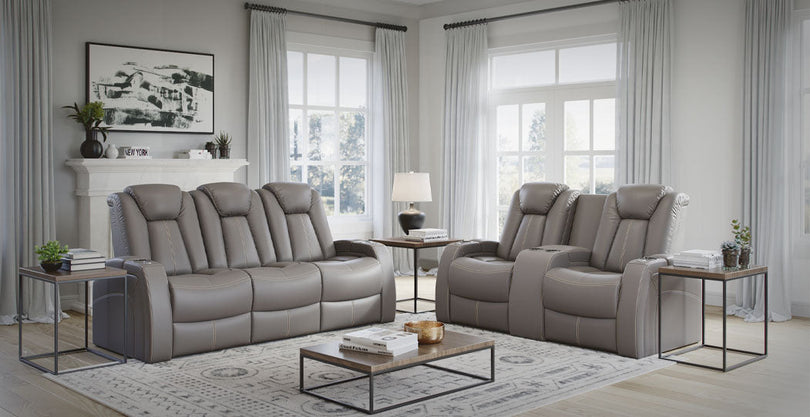
The Importance of Ergonomics in Home Theater Seating (And Why It Matters for Your Comfort)
The Importance of Ergonomics in Home Theater Seating (And Why It Matters for Your Comfort) When designing a home theater, most people focus first on audiovisual equipment - the latest 4K projector, immersive surround sound, and acoustic wall treatments. While these are essential, one element often overlooked is the seating itself. Yet, the seats are where you and your guests will spend the majority of your time. This makes comfort and support not just nice to have, but absolutely critical. That’s where ergonomics comes into play. In this blog, we’ll explore what ergonomics really means, why it matters in home theater seating, and how thoughtfully designed seats can elevate your movie-watching experience from good to extraordinary. What Is Ergonomics? Ergonomics is the science of designing products that fit the people who use them - not the other way around. In the context of seating, ergonomic design focuses on supporting the human body in a way that: Reduces strain on muscles and joints Promotes good posture Prevents fatigue during long sitting sessions Encourages natural, comfortable alignment Good ergonomic design considers body shape, movement, pressure distribution, and even psychological comfort. Why Ergonomics Matters in Home Theater Seating You wouldn’t watch a two-hour movie in an uncomfortable chair, and sitting through a series marathon in one could feel unbearable. Here’s why ergonomics should be a priority in your home theater: 1. Enhanced Comfort for Long Viewing Sessions Movie nights, binge-watching, and sports marathons often last for hours. Poorly designed chairs can lead to discomfort, restlessness, and the nagging urge to shift constantly. Ergonomic seats, on the other hand, cradle your body in a way that: Relieves pressure points Supports your lower back Reduces muscle tension With proper ergonomic support, you can enjoy extended viewing without discomfort. 2. Better Posture - and Better Health Slouching isn’t just unattractive - it’s unhealthy. Over time, poor posture can contribute to: Back pain and stiffness Neck and shoulder tension Circulation problems Fatigue and lack of focus WErgonomic seats are engineered to follow the natural curve of the spine. They support your lumbar region and encourage a neutral, relaxed posture. That means less slouching and fewer aches after long sessions. 3. Reduced Fatigue and Muscle Strain A poorly designed seat forces the body to compensate. When muscles remain tense for long periods, especially around the lower back and hips, fatigue sets in quickly. Ergonomically engineered seating redistributes pressure evenly and supports key load-bearing areas like: Lower back (lumbar region) Thighs and hips Shoulders and upper back This support helps prevent muscle fatigue - letting you stay immersed in the action without discomfort. 4. Heightened Focus & Immersive Experience When you’re not constantly readjusting or shifting in your seat, your focus stays where it belongs - on the screen. Ergonomic seating helps you stay comfortable and locked into the experience, whether you’re watching a dramatic film, playing a video game, or cheering on your favorite team. 5. Better Circulation and Comfort for All Body Types Standard seats often don’t account for long periods of sitting. Poor circulation can cause numbness, tingling, or restless legs - issues amplified during long events. Ergonomic designs support posture and distribute weight comfortably, helping maintain healthy blood flow even during extensive use. Key Ergonomic Features to Look for in Home Theater Seating Not all seats are created equal - and not all “comfortable” chairs are ergonomic. Here are some features that make a seating design truly supportive: 1. Lumbar Support This is one of the hallmarks of ergonomic seating. True lumbar support maintains the natural curve of your lower spine, reducing stress on your vertebrae and muscles. Look for: Adjustable lumbar support Contoured backrests that follow the spine’s shape 2. Seat Depth & Width Ergonomics isn’t one-size-fits-all. A seat that’s too deep can strain the lower back, while a seat that’s too shallow won’t fully support your legs. The ideal seat: Supports your thighs without pressure behind the knees Offers sufficient width for comfort without feeling cramped Has a slight forward tilt to support natural posture 3. Adjustable Headrests and Armrests People vary in height, shoulder width, and preferences. Adjustable components allow: Custom head support Armrests positioned at the right height to relax shoulders Personalized comfort for every viewer 4. Recline and Motion Features Many ergonomic home theater seats offer: Smooth recline for breaking up pressure points Locking positions for optimal viewing angles Footrests that support legs when reclined These features let you change posture naturally, maintaining comfort over time. 5. High-Quality Padding and Materials Support isn’t just about shape - it’s about materials. Premium foam, breathable fabrics, and proper rebounding cushioning make a big difference in long-term comfort. Avoid: Seats with thin or hard padding Materials that trap heat Structures that compress permanently over time Ergonomics & Aesthetics: A Perfect Pairing Ergonomic seating doesn’t mean sacrificing style. Modern home theater seats combine luxurious finishes with intelligent design - from sleek leather to plush textiles, integrated cup holders, hidden storage, and more. With the right selection, ergonomic seating can become a stunning focal point in your entertainment space. How Ergonomic Seating Adds Value to Your Home Theater Whether your theater room is dedicated or part of a multi-purpose space, ergonomics elevates the entire experience. The benefits extend beyond comfort: Improved Longevity of Use Quality ergonomic seats are built to last longer - both in durability and comfort - saving you replacement costs. Enhanced Guest Experience If you host friends or family often, ergonomic seating ensures everyone enjoys the event comfortably. Better Enjoyment of Investment When you invest in quality audio, video, and design, ergonomic seating ensures you truly get the most out of that investment. Conclusion: Comfort Is Not Optional - It’s Essential The seating in your home theater might be the most important piece of the puzzle. Great sound and visuals are essential, but if your body feels uncomfortable, the whole experience suffers. Ergonomic seating supports your posture, reduces fatigue, and keeps you immersed in the moment - whether you’re watching a short film or streaming an entire season. At 4Seating.com, we believe every viewing experience deserves the highest level of comfort and support. Choosing seating with thoughtful ergonomic design isn’t just a luxury - it’s a smart decision for your health, focus, and overall enjoyment. Ready to elevate your home theater comfort? Explore our curated collection of ergonomic home theater seating styles - from classic recliners to luxury row seating - and find the perfect fit for your space.
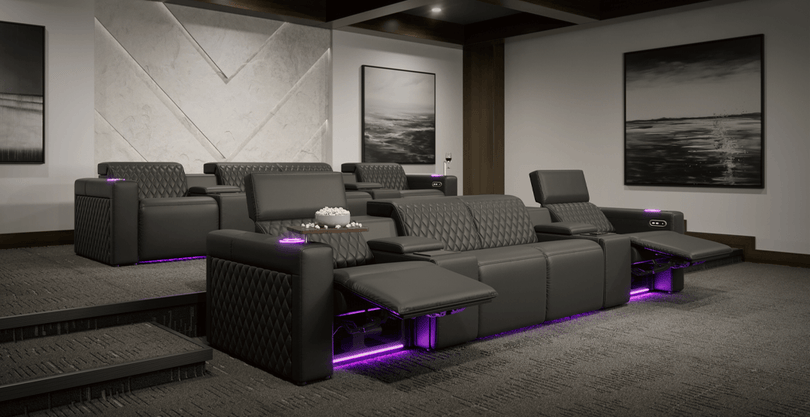
Home Theater Seating vs. Recliners: Comfort, Space, and Cost Compared
Home Theater Seating vs. Recliners: Comfort, Space, and Cost Compared People are spending more evenings at home these days, and movie nights have quietly become the new weekend ritual. Once someone gets used to watching films, sports, or shows without crowds or ticket lines, the next thought usually appears pretty quickly: Alright… maybe it’s time to upgrade the seating. That’s where the real debate begins: home theater seating vs. recliners. Both promise comfort. Both look great in a dedicated media room. But they feel different, they fit into rooms differently, and they create different kinds of “movie night energy.” Some people want that true cinema-style setup with rows. Others like the idea of sinking into a single, ultra-plush recliner and calling it a night. If you’re trying to decide which setup is right for your home, this guide breaks everything down clearly. Nothing complicated! Just what matters when you’re choosing between chair home theater layouts and home movie theater recliners and what your room will feel like with each option. What Is Home Theater Seating? Home theater seating basically recreates the feel of a commercial theater. These recliners are cleaner, more comfortable, and specifically designed for home use. These are the chairs you see arranged in rows, often placed on risers to mimic stadium seating in a home theater, so everyone can see the screen clearly. Some homeowners love this because it brings a sense of structure. You get that “we’re watching something together” feeling. Even if you have kids or guests over, everyone settles into their own seat and stays comfortable the entire time. Home theater seats come in different formats: Theater seating couches that look like plush sofas, but with built-in functionality Theatre sofa seating for people who want a more casual, lounge-like look Traditional chair home theater designs placed in neat rows Most setups include details that make them feel special, like: Power recline Adjustable headrests Cup holders Subtle LED base lighting Deep center storage for remotes and snacks Hidden USB charging If you want to explore a wide range of these setups, you can look through the options at 4seating’s home theater seating collection. The best part is that everything is built for long hours of sitting. A good home theater seat supports your body well enough that you don't think about shifting or adjusting every few minutes. It’s meant to be a comfortable theater experience without the sticky floors and noisy crowd. What Are Home Theater Recliners? If home theater seating feels organized and cinematic, recliners for home movie theaters feel personal. These are the chairs people buy when they take comfort seriously: the “sink-in, stretch-out, do n’t-talk-to-me-I’m-watching-something” kind of comfort. They come in different styles: Single recliners Compact reclining loveseats Sectional recliners Extra-deep theater chairs and recliners for immersive seating Each one focuses on personal support. Plush cushioning, soft armrests, strong lumbar design, and deeper reclining angles make them perfect for long movies or binge-watching sessions. Many homeowners choose recliners for smaller rooms because one or two chairs instantly make the space cozy. Recliners also allow you to adjust your position to your preferred angle. Some people like legs fully up, others like a slight recline, and some want the footrest only. A recliner easily adjusts to all of it. For anyone wanting choices in this category, you can explore models through the Seatcraft home theater recliners collection. Recliners shine in personal comfort, but they also come with thoughtful extras like: Adjustable lumbar support Tray tables USB charging Tablet holders Storage in the arms Ambient lighting If your ideal movie night is all about sinking into a personal cocoon of comfort, recliners create that vibe instantly. Here’s a Feature-by-Feature Comparison Now let’s look at how theater seating and recliners differ in ways that actually matter at home. Comfort & Support If your biggest priority is a comfortable theater seating experience, both options do well, just in different ways. Home theater seating gives you structured support. You sit upright but relaxed, and the power recline keeps you comfortable without forcing you fully horizontal. It’s great for families who want everyone to have good posture and stay focused on the screen. Recliners feel more personal. They hug your body, offer softer cushioning, and often recline far deeper. Some models even include power lumbar for people who like adjustable back support. If you’re planning marathon movie sessions, home entertainment recliners can feel like the better match. Space & Room Layout Home theater seating shines in larger rooms. When you have the space for rows and home theater stadium seating, you create a layout that feels intentional and cinematic. Recliners fit beautifully into smaller rooms. You can place one or two against the wall and still have plenty of open space. Sectional recliners also work in medium-sized living rooms that double as media spaces. If your room is small, avoid overcrowding it. Recliners keep the layout open. Aesthetic Appeal Home theater seating has a clean, matched look. Everything lines up neatly, the seats share a uniform style, and the lighting adds a premium feel. It gives the room a more “designed” appearance. Recliners feel warmer and more casual. Some look sleek and modern, while others feel like soft loungers. They blend well with regular living room décor too. Both come in leather, fabric, performance materials, and a range of colors, so you can easily match your home’s style. Budget Differences Recliners can be more budget-friendly if you’re buying one or two seats. Premium recliners cost more, but you can build your space gradually instead of buying everything at once. Home theater seating is typically purchased in rows or sets. That can increase the initial cost, especially when you add features like premium leather or custom upgrades. In terms of long-term value, both last well. It just depends on how many seats you need. Customization Options Home theater seating often includes: Modular row-building LED base lighting Storage arms Tray tables Memory recline settings Recliners focus more on personal comfort features like: Power headrests Deep reclining angles Lumbar controls Plush cushioning If you like adjusting your seat every few minutes until it feels perfect, recliners make that easy. Which Option Is Best for Your Movie Night? Every home is different, and the “best” choice depends on how you enjoy your evenings. For Families Rows are usually the easiest. Kids get their own seats. Adults get their own seats. Nobody has to squeeze into one spot. Features like cup holders and power recline make it convenient for everyone. For Couples A cozy setup works best. Theater sofa seating, or couches, lets you sit close together while still enjoying the built-in features of home theater seating. For Solo Users If this is your personal getaway space, nothing beats a single ultra-comfortable home cinema recliner chair. You get full control over recline depth, head position, and comfort settings. For Large Rooms Home theater seating makes the room feel complete. Rows and stadium-style layouts give it presence and make every seat feel premium. For Small Rooms Recliners take up less visual space and work beautifully in compact layouts. A couple of well-placed chairs instantly create a movie-ready nook. For Premium Home Theaters If you want a true cinema feel, rows with home theater stadium seating deliver the experience people imagine when they think of a high-end media room. Whichever direction you go, you can explore more setups at 4seating.com when you’re ready for ideas or inspiration. Conclusion Choosing between home theater seating and recliners doesn’t have to feel complicated. It really comes down to the type of experience you want. Home theater seating brings structure, a premium look, and a shared cinematic feel. Recliners bring softness, personal comfort, and a relaxed atmosphere. Both create wonderful spaces, just in different ways. The best setup is the one that matches your room, your lifestyle, and your idea of a perfect movie night. When you’re ready to explore designs, you’ll find plenty of options at 4seating.com that match both comfort styles.
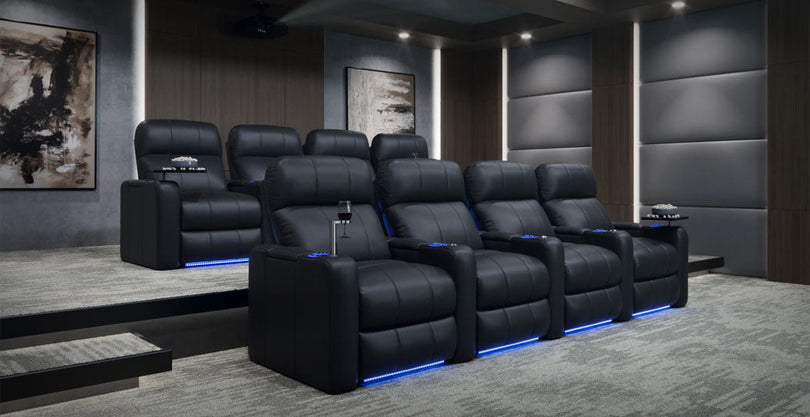
Heated Home Theater Seats That Make Movie Nights Feel Better
Heated Home Theater Seats That Make Movie Nights Feel Better Warm seating has slowly become one of those upgrades people don’t plan for at first... and then they can’t imagine living without it. The shift didn’t come from big luxury homes or some over-the-top trend. It happened because homeowners wanted something simple: a theater seat that felt comfortable the moment they sat down. And honestly, heat makes a bigger difference than most expect. If you’ve ever curled up during winter movie nights with a blanket that never stays put, heated home theater seats solve that problem in the most effortless way. A gentle, steady warmth. Support in all the right places. And a feeling that your movie room finally matches the comfort level you hoped for when you designed it. Heated couches and heated recliners have turned into little pockets of relief at the end of the day. Let’s go through what makes them work, what to look for, and why heated seating is becoming one of the most loved home comfort upgrades. What Are Heated Home Theater Seats? Heated home theater seats are essentially recliners built for long, relaxed movie sessions but with built-in heat zones that warm your back or lower body. It’s not blasting heat or the kind that leaves you sweating. Just a controlled, steady warmth that you adjust with a simple button. Some people prefer the lumbar heat. Some people prefer a higher placement on the back. The best part is that most designs let you choose. You’ll see different styles too. A heated lounge layout for people who like to stretch out completely and chairs in theater layouts for traditional rows. Even sectional-style heated couches for families who prefer relaxing together. The idea is simple: more comfort without complicating the room. Key Benefits of Heated & Massage Recliners Warmth Comfort Heat changes how your body settles into a seat. The warmth softens the stiffness you bring from the day. Muscles relax a little faster. And honestly, once you try a massage recliner chair with heat during a movie, going back to a regular one feels strange. Heated seating just fits the slower pace of a movie night better. Health Benefits People don’t always buy heated seating for health reasons, but they end up appreciating the benefits anyway. Warmth encourages circulation, which helps loosen tight shoulders and lower back tension. The massage settings on recliner chairs with heat and massage can calm the body down after long work hours. It’s not a medical device, obviously, but it takes the pressure off muscles that carry stress. Many homeowners say the combination of reclining massage chairs with heat is the closest thing to getting a spa moment without leaving the house. Winter & Cold-Weather Appeal Winter movie nights always feel different. A little slower, a little quieter. Heated seating makes the room feel instantly cozy even before the movie starts. And with heated couches, you don’t need to dig around for blankets or fight over the “warm spot.” Enhanced Feel of Luxury Heat changes the texture of the whole theater experience. When you add massage modes on top, the recliner becomes something people genuinely look forward to using. It gives the room a premium theater feel without making it look too fancy. Just comfortable, warm, and thoughtfully designed. Heated Reclining Massage Chairs: Top Features Explained If you’re looking at upgrading your theater room, these are the features that actually matter in a heated reclining massage chair. And the funny thing is, once you start paying attention to them, you notice how many ordinary recliners feel outdated. Power Recline This is where the comfort begins. A smooth, quiet power recline lets you adjust the angle without that sudden “drop back” feeling manual chairs often give. It’s one of those premium theater features you appreciate every single time. Adjustable Heat Zones The good seats allow you to warm just your lower back or spread the heat across a wider area. Lumbar heat is especially helpful if you sit for long hours during the day. Massage Modes Some people use them often, others only occasionally. But having multiple massage settings does help with stress relief seating. Even a light vibration mode can relax the body during slow-paced movies. Plush Cushioning This is one of the easiest things to overlook. Plush cushioning keeps the warmth from feeling harsh and helps the seat feel soft without swallowing you. It’s a small detail, but it matters. Built-In Conveniences Cup holders, USB charging, and soft lighting keep the room functional. You want features that work quietly in the background without taking over the experience. Heated Movie Theater Seats vs. Regular Recliners Now, here’s where homeowners usually have that “Oh, okay, I get it now” moment. Feature Heated Seats Regular Recliners Comfort Warm, cozy Basic comfort Support Better relaxation Standard support Heat Built-in warmth None Massage Multiple modes Not available Winter Use Perfect choice Cold seating Family Appeal Always preferred Second option Value High long-term Moderate Overall Feel Premium experience Simple seating Comfort Level Heated movie theater seats wrap you in warmth that regular recliners simply can’t provide. Comfy theater seats are good, sure, but adding warmth makes the body settle deeper into the movie Heat Functionality Regular recliners rely on throws and blankets. Heated seating relies on built-in tech that maintains an even temperature without extra layers. Massage Options Most standard recliners don’t include massage. Heat & massage recliner setups, on the other hand, bring a spa-like feel into the room. Long-Term Value If you watch movies often or host people regularly, heated seating holds up better and gets used more than almost any other feature in a home theater. Family Usability Kids, adults, or even guests gravitate toward the theater with heated seats. You’ll notice people picking the warmest seats first. If you’re exploring high-quality choices with heat and massage built in, Seatcraft ComfortView Heat & Massage Theater Seating is something you must try! Why Heated Seats Are Becoming a Trend in Home Theaters It started in commercial cinemas. People loved the feeling of heated movie theater seats, and suddenly “movie theaters with heated seats” was a real selling point. Once homeowners realized they could get the same comfort at home without the ticket prices and without the crowds, the trend took off. Home theaters today are less about showing off and more about creating a personal pocket of calm. A theater with comfortable seats is becoming a non-negotiable part of that. And as smart home entertainment setups get more popular, heated seating fits right in with the idea of warmth, ergonomic support, and a room designed around your body rather than just the electronics. Conclusion Heated home theater seats bring together comfort, warmth, and a sense of calm that regular recliners just can’t match. They help your body relax, make the room feel more welcoming, and turn movie nights into something you genuinely look forward to at the end of the day. If you’ve been thinking about upgrading your home theater, exploring Seatcraft’s heat & massage options at 4seating.com is a good place to start. A little warmth goes a long way, and it changes how you enjoy the space every single time you sit down.
Zero-Gravity Recliners: The Comfort Upgrade Your Home Theater Deserves
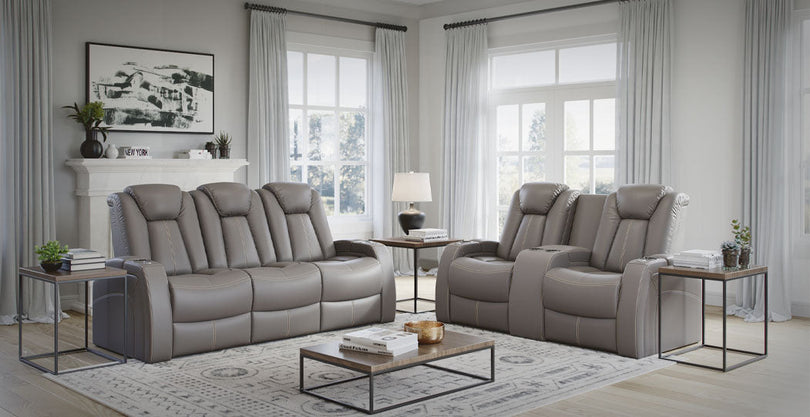
Zero-Gravity Recliners: The Comfort Upgrade Your Home Theater Deserves Movie nights hit different when the chair disappears and your body stops arguing with gravity. The right recliner doesn’t just hold you up, but it also quiets your head. You lean back, calves rise, shoulders let go, and the day gets smaller. That’s the whole point of a zero gravity recliner: comfort that feels obvious, not staged. If you’re dressing a home theater or carving out a serious lounge nook, this is the one piece that changes how the room feels at 9 p.m. on a Tuesday. It’s relaxation science wrapped in good design and it quickly becomes the seat everyone races for. What Makes Zero Gravity Recliners So Special? Let’s clear one thing up: there’s no floating involved. The idea comes from the neutral body posture borrowed from astronaut research. Legs gently elevated, spine supported along its natural curve, and pressure spread out instead of piled onto the lower back. That’s the recipe. A good zero gravity chair lifts your legs to near heart level and takes weight off your spine and hips. You feel lighter, your breath settles, and blood flow improves without you doing a thing. It’s engineered comfort, but the experience reads as simple: relief. In an entertainment room, that means fewer position shifts, no “I need to stretch” at the worst scene, and a steady comfort that lasts through credits (yes! even the long ones!) The Anatomy of a Zero Gravity Recliner It’s not just the angle. The small decisions matter. Ergonomic support: The backrest matches the way your spine actually curves, so your lumbar area doesn’t get abandoned when you recline. Independent power: Separate controls for back and foot help you find your exact sweet spot. One-touch presets are worth it if you bounce between “movie mode” and “nap mode.” Head, back, foot sync: When these move in concert, your neck stays neutral instead of jutting forward. It looks like a tiny detail; it feels huge. Cushioning: High-density or gel-infused foam spreads pressure and avoids hot spots. No sinking. No stiff slabs. Quiet mechanics: A smooth glide matters mid-dialogue. Cheaper motors announce themselves. Better chairs don’t. Put together, that’s what creates the “floating” feeling. It isn’t magic. It’s thoughtful engineering that gets out of the way. Why Zero Gravity Recliners Work So Well in Home Theaters Comfort shifts attention. When your body is sorted, your brain can focus on the scene, not your shoulder blade. Total immersion: Neutral posture lines your eyes with the screen without craning or slouching. Better circulation: Legs up, swelling down. Long runtimes feel shorter when your feet aren’t complaining. Less fatigue: Your lower back stops carrying the load. You stand up at the end and don’t groan. That alone sells it. Fewer vibrations: Dense foam and solid frames can tame some rumble, your bass stays cinematic, not shaky. Looks that fit: Clean lines and tight upholstery pair with modern projectors and hidden wiring. The room reads intentional. A zero gravity recliner doesn’t just occupy space; it completes the theater. The projector, the sound, and the seating all finally feel like one system. Choosing the Right Recliner for Your Space Room size and layout Measure from wall to front edge and check “wall-hugger” claims. Many power chairs need several inches behind them to open fully. If the room is tight, prioritize wall-hugger mechanisms and narrower arm profiles. Recline range and adjustability Independent headrest, back, and foot control is the difference between “close enough” and “I could sleep here.” Memory presets are handy if more than one person uses the chair. Material and upholstery Leather: easy cleanup, ages well, runs cooler with perforation. Performance fabric: softer hand, warmer look, forgiving in family rooms. Match to your lighting. Bright rooms show texture and stitching; dark rooms make deep tones and matte finishes look great. Useful extras USB-A/C and wireless charging, ambient base or cup lighting, tray tables, arm storage, power lumbar and heat — your lower back will notice, especially in winter. Fit and finish Check stitch lines, seam tension, arm stability, and how the footrest supports ankles, and not just calves. Touch everything. If it wiggles in the showroom, it’ll groan at home. Zero Gravity vs. Traditional Recliners: A Quick Comparison Feature Zero Gravity Recliner Traditional Recliner Body Posture Neutral body posture with legs elevated to heart level, evenly distributing pressure. Standard recline angle, more stress on lower back and hips. Support Ergonomic full-body support for spine, neck, and legs. Back and footrest recline together, limited lumbar relief. Comfort Duration Designed for long sessions — less fatigue during movie marathons. Comfort fades after a while; requires frequent repositioning. Health Benefits Improves blood circulation, reduces spinal pressure, and relieves muscle tension. Primarily for short-term comfort without health-oriented design. Space Requirement Wall-hugger designs available; can fit compact rooms. Often needs more clearance to fully recline. Technology & Features Power-adjustable headrest, lumbar, USB ports, LED lighting, and massage options. Limited manual or single-motor recline, few tech features. Price Range Higher, due to premium mechanisms and features. More affordable but fewer comfort functions. Traditional recliners still have charm. But once you’ve sat through a long film in zero gravity, it’s hard to “un-know” that comfort. Integrating Zero Gravity Recliners Into Your Entertainment Room Layer the light: Bias lighting behind the screen, low LED underglow at the base, and a dim reading lamp for intermissions. Tame sound: A couple of fabric panels stop echo and sharpen dialogue. It also makes the room feel calmer. Add texture: A soft rug, a throw with weight, a side table with a warm finish. Your eyes relax before the movie even starts. Plan the flow: Leave elbow room between chairs. If people can walk past without asking someone to stand up, you nailed the spacing. Maintenance and Longevity Tips Weekly: Vacuum seams and under cushions. Dust builds where you don’t see it. Spills: Blot first, then dab with a soft damp cloth. Never scrub. Leather: Condition every 6–12 months. Avoid direct heat and harsh cleaners. Fabric: Spot clean with neutral soap; test in a hidden area first. Mechanics: If you hear a squeak, don’t ignore it. Light lubrication and a quick look at connections will save a motor later. Treat it well and it will feel new even five years in. Why They’re Worth the Investment This isn’t just a “nice chair.” It’s the difference between a room you visit and a room you live in. Your back gets a break. Your legs stop swelling. Stress falls off faster than you expect. Recovery after long days or workouts improves. You watch more and enjoy it more. Stress relief and improved posture Drop into the neutral position, and your body stops fighting gravity. Shoulders soften, the lower back unloads, and your breathing evens out. Enhanced home theater comfort Long movies are easier when you’re not shifting every few scenes. Zero gravity keeps your eyes level with the screen, your neck relaxed, and your legs comfortable. Better relaxation and recovery after long days If you’re on your feet or at a desk for hours, fluid pools and muscles tighten. Elevating your legs helps that fluid move, while the open hip angle eases pressure on the lower back. Aesthetic and luxury appeal in entertainment rooms Clean lines, tight upholstery, and subtle lighting make the chair a focal point instead of a bulky add-on. In leather or performance fabric, it reads premium and purposeful. Final Thoughts The best seat in the house isn’t only about location. It’s about how your body feels ten minutes after you sit down, and two hours later when the credits roll. A zero-gravity recliner earns that spot by making comfort feel effortless. Set the scene, dim the lights, and let the chair do its quiet work.
Modern Home Theater Seating: Finding the Perfect Fit for Your Space
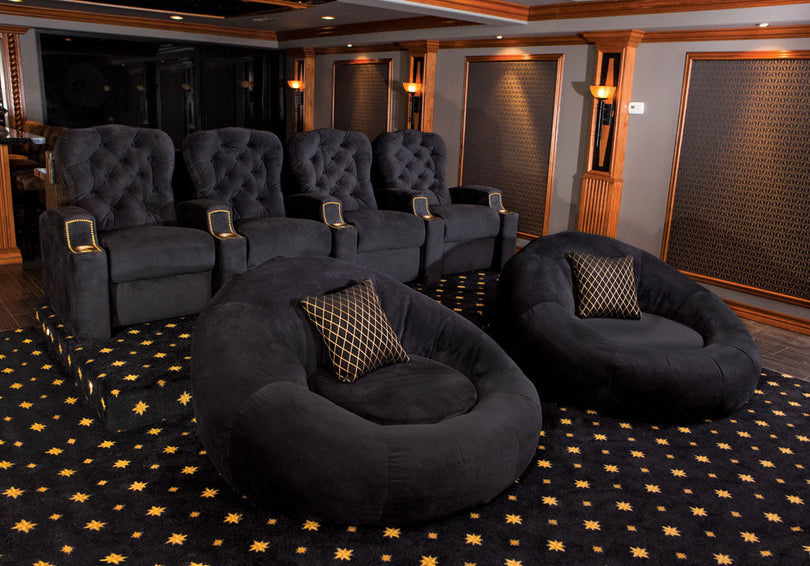
Modern Home Theater Seating: Finding the Perfect Fit for Your Space Your screen might be massive and your sound system incredible, but if your seating leaves you shifting every twenty minutes, the whole setup falls flat. Seating is the final frontier of home theater comfort. Most people default to a standard sofa and call it done. But there's a wider world of alternatives, from loveseats, motion recliners, sectionals, ottomans, and even theater bars, that can transform how you watch. The right choice depends on your room, your audience, and how you actually use the space. Let's dig into what works and why. Key Considerations Before Choosing Seating Before you pick a style, map out what matters most in your setup. Room size and layout Measure wall to wall, then subtract space for walkways, doors, and equipment. Tight rooms need compact solutions; sprawling spaces can handle sectionals or multiple rows. Viewing distance and sightlines Seats should face the screen without awkward neck angles. If you're adding rows, plan risers or stadium steps so the back row can see over the front. Recline and motion range Reclining home theater seating needs clearance behind each seat, usually 10–15 inches. Wall-hugger mechanisms reduce that, but you still need breathing room. Additional features Think about what you'll actually use. USB charging ports keep devices alive during marathons. Seating with cup holders stops spills. Center consoles add storage for remotes and snacks. LED accent home theater seating creates ambiance without glare. Material, durability, and maintenance Leather wipes clean fast. Performance fabrics resist stains and feel softer. If kids or pets are in the picture, prioritize easy-clean surfaces. Budget You can spend anywhere from modest to luxury home theater seating prices. Set a range early so you're not tempted by features you don't need. The goal is comfortable home theater seating options that fit your actual habits, not just what looks good in a showroom. Types of Alternative Home Theater Seating When people talk about upgrading their home theater, they often imagine a row of identical recliners. But there’s a lot more flexibility available now. 1. Motion Home Theater Seating / Reclining Home Theater Seating This is the upgrade most people make first. Motion furniture used to be a niche luxury, but now even commercial theaters use it. You get multiple recline angles, footrest extension, and the ability to shift positions without leaving your seat. Modern motion home theater seating often includes massage motion features like localized vibration or rolling massage in the lumbar area. Pair that with power controls, and you can dial in comfort without fussing with levers. Common extras include built-in USB charging ports, cup holders, and subtle LED accent lighting along the base. The best models operate quietly, so motor hum doesn't interrupt dialogue. Best for: Anyone watching for more than an hour at a time. Recline takes pressure off your back and keeps you engaged longer. 2. Luxury Home Theater Seating When budget isn't the constraint, luxury home theater seating brings premium materials and full-feature builds. Think top-grain leather, contrast stitching, memory foam layers, power recline with infinite positions, integrated massage, programmable memory settings, and ambient LED lighting that adjusts with the room. Some luxury models include cooling or heating elements, articulating headrests, and wide motion ranges that let you go nearly flat. The experience shifts from "watching a movie" to "being in a movie." Best for: Dedicated theater rooms where immersion and aesthetics both matter. If you're building a space from scratch, luxury seating anchors the design. 3. Custom Home Theater Seating Custom seating lets you tailor the layout, configuration, materials, color, and features to your exact room and preferences. Odd-shaped spaces, unusual viewer counts, or specific aesthetic goals all benefit from custom builds. You pick the fabric or leather, choose the console type (shared or individual), decide on USB ports, storage compartments, and LED placement. Some manufacturers let you configure seat-by-seat. Best for: Rooms that don't fit standard dimensions or homeowners who want every detail dialed in. 4. Loveseat Home Theater Seating Loveseats work beautifully in smaller rooms or for couples who want to sit together without a giant sectional. Modern loveseat home theater seating includes many of the same benefits as full rows: center consoles for storage, cup holders, USB charging ports, and reclining capability. You can also use multiple loveseats instead of one long couch. This keeps flexibility. Rearrange them, angle them toward the screen, or separate them for different viewing zones. Best for: Couples, smaller rooms, or anyone who wants intimate seating without sacrificing features. 5. Sectional Home Theater Seating For large families or frequent group viewing, sectional home theater seating lets you sprawl out. Mix chaise sections, corner seats, and straight pieces to fit your room's footprint. Many sectionals include storage consoles, cup holders, and USB ports built into the arms or center sections. In bigger rooms, sectionals can replace multiple rows. Some designs incorporate tiered seating or attach to risers, so the back sections sit higher without needing separate platforms. Best for: Large families, dedicated theaters with wide floor plans, or anyone who regularly hosts movie nights. 6. Alternative Seating & Ottomans Ottomans are the unsung heroes of flexible layouts. They work as footrests, extra seats, or even side tables when topped with a tray. Just move them around based on who's watching or how many people showed up. You can also mix seating types: motion recliners up front, lounge chairs on the sides, ottomans scattered for overflow. This nontraditional approach works well in multi-use rooms that double as living spaces. Best for: Small spaces, irregular room shapes, or anyone who needs seating that adapts to different occasions. 7. Theater Bars & Seating A theater bar sits behind the main seating row, providing a surface for snacks, drinks, and extra seating on barstools. Home theater seating with theater bars helps in multi-row setups without crowding the floor. Guests can stand or perch at the bar, and it keeps refreshments organized. Some bars include built-in refrigeration, shelving, or display lighting. It's a practical addition that also adds a "real cinema" vibe. Best for: Multi-row theaters, entertaining-focused spaces, or anyone who wants a designated refreshment area. Feature Highlights to Look For When comparing models, these details separate good seating from great. Look for features such as home theater seating with USB charging ports, cup holders, center consoles, built-in storage, and LED accent lighting. Prioritize ergonomics—lumbar support, cushion density, smooth motion mechanics, and adjustable headrests. Designing by Audience and Use Case Different viewers have different needs. Match your seating to who's actually using the room. Couples or small rooms: Loveseat home theater seating plus one or two ottomans keeps the footprint small while preserving features. Families or groups: Sectional home theater seating or a row of motion recliners. Add ottomans for overflow seating when friends visit. Luxury seekers: Custom home theater seating with full motion, massage, LED accents, and premium materials. This is the "spare no expense" route. Mixed-use rooms (living room doubles as theater): Modular or flexible seating that doesn't scream "home theater." Choose neutral colors and pieces that rearrange easily. Kids or casual viewing: Durable materials, stain-resistant fabrics, and ottomans that can take a beating. Skip delicate leathers and complex electronics. Tips and Best Practices Once you’ve chosen your style, a few thoughtful adjustments can make your setup look and feel professional. Leave 10–15 inches behind reclining seats for full motion. Between rows, allow 36–42 inches so people can walk without asking everyone to stand. Avoid tall seat backs in front rows if they block the view. Test sightlines before finalizing placement. If you're doing multiple rows, build or buy risers so the back row sees over the front. Even 6–8 inches makes a difference. Plan outlets for motorized seats, USB ports, and LED lighting. Run wires through walls or under floors to keep things clean. Leather and faux leather clean fast and resist wear. Stain-resistant performance fabrics feel softer and run cooler. Sit in the actual seat if possible. Check cushion depth, back angle, headrest height, and recline smoothness. Specs don't tell the whole story. Motion mechanisms and electronics can fail. Check warranty length and whether replacement parts are available. Sample Layout Suggestions Single row (small to medium room): Three-seat reclining home theater seating with center console. Simple, effective, works in most spaces. Two rows with riser: Front row motion chairs with individual recliners. Back row loveseat on a 6-inch riser, theater bar behind for snacks and extra seating. Sectional U-shape (large room): Wrap sectional home theater seating around three walls with a central walkway. Mix chaise ends and standard seats. Mixed types (flexible layout): Two motion recliners up front, ottomans on the sides, a lounge chair in the corner. Easy to rearrange and accommodate different group sizes. Final Thoughts Modern home theater seating has come a long way from basic couches. Whether you go with reclining home theater seating, sectional home theater seating, or custom builds, the right choice makes every viewing session better. Focus on fit, features you'll actually use, and a layout that matches your room and habits. The screen and sound get the glory, but the seating keeps you there from the opening credits to the very end.